
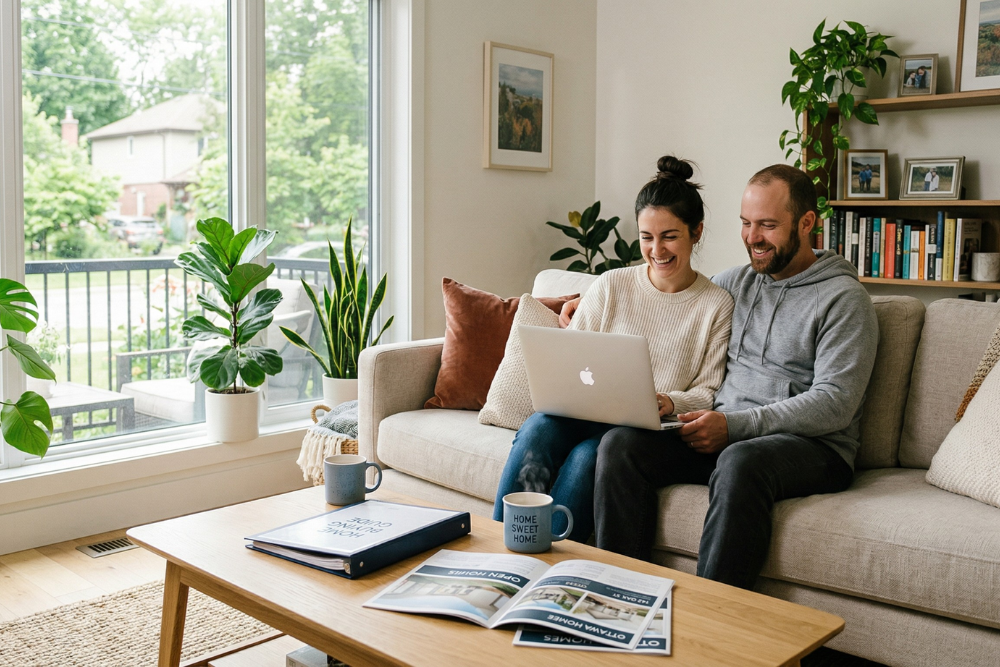
Buying a home is often seen as the ultimate goal of adulthood, but is it really the right decision for everyone? As a first-time homeowner, making the decision to buy a house can be both exciting and intimidating. Many first-time buyers find themselves unsure of when they’re truly ready to dive into homeownership. The truth is, it’s not just about the desire to own a property; it’s about being financially and emotionally prepared for the long-term commitment that home buying requires.
In this guide, we’ll walk you through the key factors to assess before making your first home purchase. From understanding your finances to evaluating your personal readiness, we’ll cover everything you need to know before buying your first home.
1. Are You Financially Ready for Home Buying?
When it comes to home buying, the first and most important factor is your financial situation. Without a solid financial foundation, it’s nearly impossible to move forward with purchasing a home. Let’s break down what financial readiness looks like for first-time homeowners.
Stable Income for Home Buying
One of the first things lenders will look for is steady, reliable income. Mortgage lenders prefer borrowers who can demonstrate that they have a predictable income stream, whether it comes from a salary, business, or investments. If you’ve had multiple job changes or gaps in your income, it might be best to hold off on buying until your finances are more stable.
Typically, mortgage lenders like to see that your housing costs (including mortgage, property taxes, and insurance) do not exceed 28% of your gross income. For example, if you make $4,000 a month before taxes, your housing costs should ideally be no more than $1,120 per month. This ensures you can handle both your mortgage and any other expenses that come with homeownership.
Down Payment and Savings for First-Time Homeowners
Another essential aspect of home buying is having enough saved for a down payment. In the past, 20% down payments were the standard, but today, many first-time homeowners can purchase with as little as 3-5% down. While a lower down payment might seem like a good option, a larger down payment has its benefits: it can reduce your monthly payments, help you avoid private mortgage insurance (PMI), and give you more equity in your home right away.
Additionally, you’ll need to account for other costs, such as closing costs (which typically range from 2-5% of the purchase price) and ongoing maintenance or repairs. Building up an emergency fund that covers at least 3-6 months of living expenses is a smart way to ensure you’re financially prepared for the unexpected.
2. Credit Score: Is It Ready for Home Buying?
Your credit score is one of the most significant factors that lenders use when deciding whether to approve your mortgage application. This score gives lenders an idea of how reliably you’ve managed credit in the past, and it helps them assess the risk of lending you money.
For first-time homeowners, the minimum credit score typically required for a conventional mortgage is 620. However, the higher your credit score, the better your interest rate will be. A score of 740 or higher generally qualifies you for the best interest rates and terms.
Improving Your Credit Score
If your credit score isn’t where you want it to be, take steps to improve it before applying for a mortgage. Start by paying down any existing debt, particularly credit cards. Keep balances low and try not to apply for new credit in the months leading up to your mortgage application. It’s also helpful to regularly check your credit report for any errors that may be lowering your score.
3. Is Your Long-Term Plan Aligned with Home Buying?
One of the most important questions to ask yourself before buying a home is: Do you plan to stay in one place for the long term?
Are You Ready for the Commitment?
Homeownership is not just about purchasing a property—it’s about committing to a long-term financial responsibility. The general recommendation for first-time homeowners is to stay in a home for at least 3-5 years to see a return on your investment. Selling a home before this time frame can be financially costly due to transaction fees and closing costs, not to mention the time and energy involved in moving.
So, if you’re someone who moves frequently for work or plans on relocating soon, buying may not be the right choice. Renting or waiting until you’re in a more stable position might be a better option. However, if you’re planning to grow roots in a particular location, homeownership can be a rewarding long-term investment.
4. The Responsibilities of Homeownership: Are You Prepared?
Before committing to homeownership, it’s important to assess whether you’re emotionally prepared for the responsibilities it brings. Homeownership is more than making mortgage payments—it’s about taking care of the property and the financial obligations that come with it.
Home Maintenance and Upkeep
When you own a home, you’re responsible for everything. Whether it’s fixing a leaky faucet, replacing a broken furnace, or trimming the hedges, the maintenance will be on your shoulders. If you’re someone who’s used to calling a landlord for repairs or if the thought of lawn care seems daunting, then owning a home might feel like a heavy burden.
Many first-time homeowners underestimate the work required to maintain their homes. Be honest with yourself about whether you have the time, energy, and skills to handle these tasks—or if you’re willing to hire help.
Ongoing Costs
Apart from your monthly mortgage, there are ongoing costs associated with homeownership. You’ll need to budget for property taxes, homeowners insurance, utilities, and possibly HOA fees. These costs can add up quickly, so it’s essential to factor them into your overall budget.
5. Market Conditions and Timing in Home Buying
While your personal readiness is essential, understanding the real estate market and how current conditions might affect your purchase is important too.
Is It a Buyer’s or Seller’s Market?
The housing market fluctuates depending on interest rates, inventory levels, and seasonality. Right now, in 2026, mortgage rates are hovering around 6-6.5%, making it a bit more expensive to borrow money for a mortgage than it has been in the past. However, this can be a great time to buy if you’re financially prepared and can find a good deal in a competitive market.
A buyer’s market means there are more homes available than buyers, and home prices may be lower. On the other hand, a seller’s market means demand exceeds supply, pushing home prices up. While timing the market perfectly can be difficult, it’s important to understand how these trends can impact your purchase.
6. Emotionally Ready for Home Buying: Are You Prepared for the Journey?
The process of buying a home can be emotional and stressful. From dealing with multiple offers to managing the closing process, there are plenty of ups and downs along the way. It’s important to assess whether you’re ready to handle the emotional rollercoaster of home buying.
Handling the Stress of Home Buying
The process can be frustrating, especially for first-time homeowners. There will be stressful moments—delays, rejections, and financial hurdles. It’s important to have the right mindset going into the process, knowing that setbacks are normal. Working with a knowledgeable real estate agent can help alleviate some of that stress, guiding you through the ups and downs with professional advice.
7. Conclusion: Anna Alemi Real Estate—Your Trusted Partner in Home Buying
When it comes to making one of the biggest financial decisions of your life, you don’t want to go it alone. The team at Anna Alemi Real Estate is here to help first-time homeowners navigate the complexities of buying their first home. With years of experience in the Ottawa market and a deep understanding of the home-buying process, we’ll guide you every step of the way.
If you’re ready to begin your home-buying journey, reach out to Anna Alemi Real Estate today. Together, we’ll find the perfect home for you. Call us at 613-900-0009 or visit us at Suite 205 – 2283 Saint Laurent Boulevard, Ottawa, K1G 5A2.