
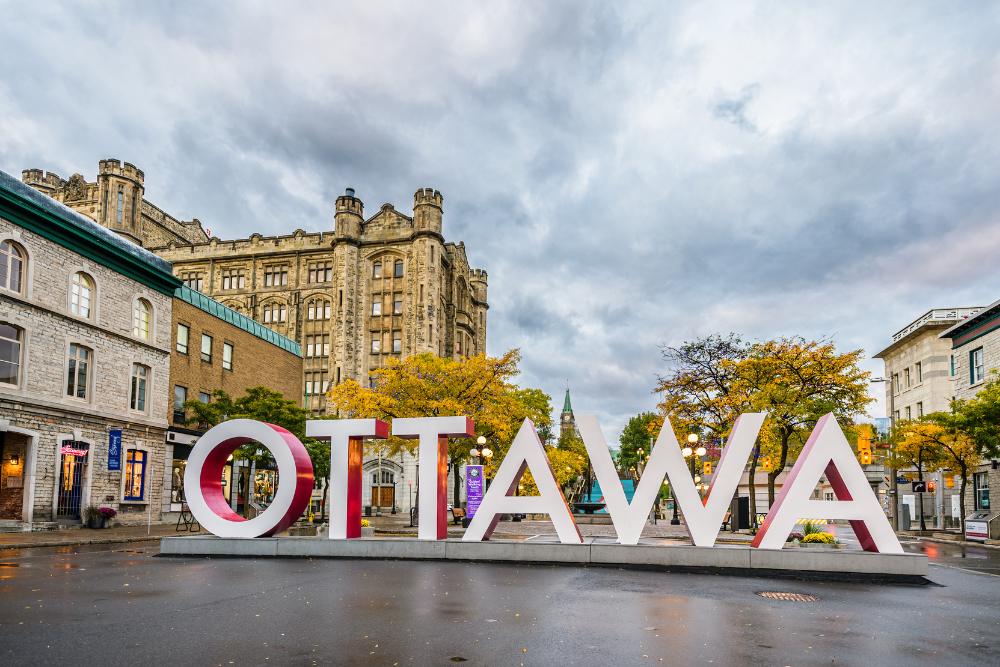
Ottawa has long been known as one of Canada’s most stable housing markets. That stability is one of the reasons so many buyers feel confident planting roots here. Government employment, a strong tech sector, and steady population growth have helped the city avoid the extreme swings seen in some other major markets.
But here is what many buyers do not realize at first.
Ottawa is not one single market. It is a collection of very different neighborhoods, each with its own rhythm, price range, and buyer profile. Choosing the right neighborhood is often more important than choosing the right house.
I have seen buyers fall in love with a property, only to realize months later that the commute does not work, the lifestyle does not match, or the resale market is thinner than they expected. In 2026, when buyers have more room to negotiate and think carefully, the smartest move is to start with the neighborhood strategy before stepping into showings.
If you are moving to Ottawa or relocating within the city, this guide will help you make that decision with clarity.
Ottawa Is Not One Market
According to data from the Ottawa Real Estate Board, pricing and demand vary significantly depending on area and property type. A detached home in Kanata does not behave the same way as a condo in Centretown. A townhome in Barrhaven attracts a different buyer pool than a property near the ByWard Market.
Several factors influence how Ottawa neighborhoods perform.
Buyer type plays a major role. Some areas attract families looking for schools and space. Others appeal to young professionals or government employees who prioritize proximity to downtown. Tech workers often gravitate toward Kanata due to its strong technology presence. Lifestyle driven buyers often look toward central neighborhoods where walkability matters more than lot size.
Transit access also makes a difference. With the continued development of Ottawa’s LRT system, neighborhoods with reliable transit connections tend to attract steady demand. For many buyers, especially those working in government offices or commuting downtown, transit convenience shapes daily life more than square footage does.
School zones are another major driver. Even buyers without children often ask about school ratings and catchment areas. Strong school zones tend to support long term resale value because family demand remains consistent.
Housing type is equally important. Condos, townhomes, and detached homes behave differently in terms of price movement and buyer competition. In 2026, this variation is even more visible because Ottawa’s market is balanced rather than overheated.
Understanding these differences is critical. When buyers treat Ottawa as one uniform market, they miss important nuances that affect both lifestyle and long term value.
Ottawa Homebuyer: How to Choose the Right Ottawa Neighborhood
Choosing a neighborhood should be intentional. It should not happen by accident because you happened to like one listing.
1) Start With Your Lifestyle, Not the House
The biggest mistake I see buyers make is starting with the property instead of their daily life.
Before you look at listings, ask yourself practical questions.
How far are you willing to commute each day?
Do you want a quiet suburban setting or a lively urban environment?
Is walkability important to you?
Are schools a priority now, or will they be in the next five years?
I once worked with a couple relocating from Toronto. They were initially focused on getting the largest detached home their budget allowed. After discussing their routine, we realized they valued restaurants, cycling paths, and quick access to downtown far more than extra square footage. They ended up choosing a townhome closer to the core. Years later, they still tell me it was the right decision because it fit their lifestyle.
A home supports your life. It should not complicate it.
When you define your lifestyle priorities first, neighborhood selection becomes clearer and far less stressful.
2) Know Your Price Bracket’s Real Options
Ottawa’s market in 2026 looks very different depending on your budget.
Buyers shopping under 600,000 dollars are often looking at condos or smaller townhomes in specific suburban pockets. Inventory in this range can move quickly if priced well.
In the 700,000 to 900,000 dollar range, options expand to include larger townhomes and some detached properties in established neighborhoods. Competition varies depending on location and condition.
Above 1 million dollars, the detached market offers more space and established areas, but buyers still need to assess value carefully. Even in a balanced market, pricing strategy matters.
I often sit down with clients and show them what their budget realistically buys in three different neighborhoods. Seeing those options side by side helps them understand trade offs clearly. It is not about what you hope to buy. It is about what is available in your bracket today.
Clarity about budget realities prevents disappointment and helps you act confidently when the right home appears.
3) Think About Resale Even If You Plan to Stay
Many buyers tell me they plan to stay for ten or fifteen years. That may be true. But life can change unexpectedly. Career shifts, family growth, or financial goals can all prompt a sale earlier than planned.
Neighborhood stability plays a significant role in resale performance. Areas with consistent demand from families, professionals, or investors tend to offer stronger long term value.
For example, neighborhoods with good schools and transit access tend to attract repeat interest. Areas with limited amenities or uncertain development plans may see slower appreciation.
I once advised a buyer against choosing a property that was significantly cheaper but located in an area with weaker resale demand. They were hesitant at first because the price was attractive. Years later, when they needed to relocate, they were grateful they had chosen the stronger neighborhood. The resale process was smooth and competitive.
Resale thinking is not pessimistic. It is practical.
Common Ottawa Neighborhood Paths
These are examples, not rankings. Each area serves a different type of buyer.
Barrhaven is popular with families seeking newer builds and suburban comfort. It has a strong move up market and consistent demand.
Orleans often offers solid value combined with steady family interest. It has proven long term stability and appeals to buyers seeking space at a more moderate price point.
Kanata benefits from the tech sector presence. Detached homes are in demand, especially among professionals working nearby.
Centretown attracts buyers who value walkability and urban living. Condos dominate this area, and lifestyle is the primary driver.
Riverside South continues to grow with newer communities and infrastructure development, appealing to buyers who want newer construction.
Choosing between these areas depends on your priorities. No neighborhood is universally better. The right one is the one aligned with your needs.
What Is Different About Buying in Ottawa in 2026
Compared to some larger Canadian cities, Ottawa’s 2026 market feels balanced. It is not driven by panic or speculation.
Buyers can negotiate more often than they could in previous years. Conditions such as financing and inspection are common again. Pricing varies significantly by neighborhood and property type, so careful analysis is essential.
This environment rewards preparation. Buyers who understand neighborhood trends, price ranges, and long term value are in a strong position. Those who rely solely on emotion may still overpay or choose poorly.
A balanced market does not remove risk. It simply gives buyers more control.
Key Takeaway
The right Ottawa home is not just the nicest house you see online. It is the home that fits your lifestyle, your budget, and your long term goals.
Choosing the right neighborhood requires thoughtful planning, realistic budgeting, and a clear understanding of Ottawa’s unique market dynamics. In 2026, buyers have the advantage of time and negotiation, but strategy still matters.
At Anna Alemi Real Estate, we guide Ottawa homebuyers through these neighborhood decisions with careful analysis and honest advice. Our approach is rooted in experience, local expertise, and a commitment to protecting our clients’ long term interests.
Call us at 613-900-0009 or visit us at Suite 205 – 2283 Saint Laurent Boulevard, Ottawa, K1G 5A2.